


blog
How Many Chemical Peels Do I Need for Acne Scars?
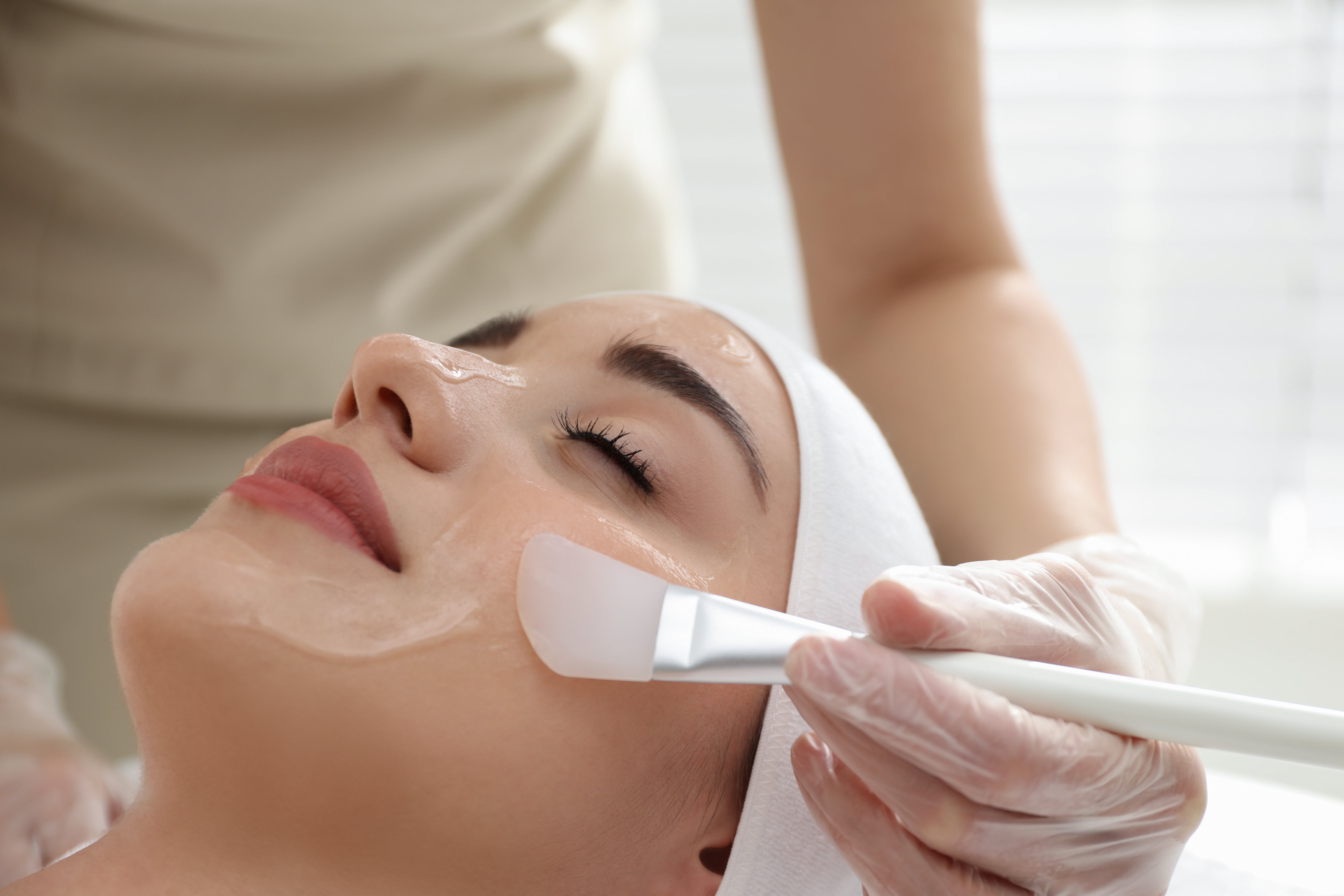
Chemical peels have become one of the most popular cosmetic treatments for those looking to improve acne scars, uneven skin tone, and overall skin texture. If you’ve been struggling with acne scars that just won’t fade, a chemical peel might be the key to revealing smoother, healthier, and more radiant skin. But a common question arises for most patients considering this treatment: how many chemical peels do I need for acne scars?
The answer varies based on the depth of your scars, your skin type, and the kind of peel used. Understanding how chemical peels work and what they offer can help you determine the best treatment plan for your specific skin concerns.
Understanding Chemical Peels
A chemical peel is a cosmetic treatment that involves applying a chemical solution to the skin to gently exfoliate the outermost layers. By removing damaged skin cells and promoting new cell growth, this process stimulates collagen production and enhances the skin’s ability to heal naturally. Over time, chemical peels can reduce the appearance of acne scars, fine lines, wrinkles, and other skin imperfections, leaving behind refreshed and radiant skin.
Chemical peels are available in various strengths and formulations to target specific skin concerns. The main goal is to encourage skin renewal and stimulate the body’s natural healing response. The peeling process removes dull, damaged skin cells and allows new, smoother skin to surface.
Types of Chemical Peels
There are three main types of chemical peels, and each one is designed to penetrate different layers of the skin depending on the severity of your skin condition or acne scars.
1. Superficial Peels (Light Peels)
These peels are mild and ideal for those with sensitive or acne-prone skin. They use gentle acids such as alpha hydroxy acid (AHA), glycolic acid, or salicylic acid to exfoliate only the outermost layer of the skin. Superficial peels help with mild scarring, dullness, uneven skin tone, and light acne breakouts. Because they are gentle, they can be repeated every few weeks as part of a long-term skincare routine to maintain radiant and smooth skin.
2. Medium Peels
Medium-depth peels use stronger solutions such as trichloroacetic acid (TCA) to penetrate the middle layers of the skin. These peels are effective for moderate acne scars, fine lines, and uneven skin tone. Medium peels help remove damaged skin cells and stimulate collagen production, which improves skin texture and reduces the visibility of acne scars. Medium peels require a few days of recovery time as the skin heals and reveals healthier layers underneath.
3. Deep Peels
Deep peels are the strongest type of chemical peel and are usually performed using phenol or a concentrated form of TCA. They penetrate into the deeper layers of the skin to treat severe acne scars, deep wrinkles, and significant sun damage. Because of their intensity, deep peels often require a longer healing process and may only need to be performed once in a lifetime for long-lasting results. Deep peels are typically not recommended for darker skin tones or very sensitive skin, as they can cause pigmentation changes.
How Chemical Peels Work for Acne Scars
Acne scars form when the skin tissue is damaged after severe acne or inflammation. These scars can appear as depressions, uneven texture, or discolored marks. Chemical peels help by removing the damaged outer skin layers, encouraging new collagen growth, and smoothing the skin’s surface.
The chemical solution applied during the peel causes controlled exfoliation. This triggers the body’s natural healing response, leading to the regeneration of healthy new skin cells. Over several sessions, patients notice a reduction in scar visibility, smoother skin texture, and a brighter complexion.
Different peels target different depths of scarring. Light peels work well for mild scarring and discoloration, while medium and deep peels are more suitable for deep scars and more severe skin imperfections.
How Many Chemical Peels Do You Need for Acne Scars?
The number of treatments needed depends on your skin type, the type of peel used, and how deep your acne scars are. Below is a general guideline to help you understand what to expect.
For mild acne scars and uneven skin tone:
If you have mild scarring or texture issues, you may need between 3 to 6 light chemical peel sessions spaced about 2 to 4 weeks apart. These treatments gently exfoliate the outermost layers and gradually improve your skin’s smoothness, tone, and overall health.
For moderate acne scars:
If your scars are deeper or your skin texture is uneven, medium-depth peels using trichloroacetic acid (TCA) may be recommended. Typically, 3 to 4 sessions spaced every 4 to 6 weeks can provide visible improvements. These peels work deeper into the skin to stimulate collagen production and reveal smoother, firmer skin over time.
For deep acne scars:
If you have severe or deep scars, one deep peel using phenol or a concentrated TCA solution may be sufficient to achieve dramatic results. However, deep peels require a longer recovery period, and they are performed under professional supervision to ensure safety. In some cases, your provider may recommend combining deep peels with other treatments such as microneedling or laser resurfacing for enhanced results.
Your skincare professional will assess your skin during consultation and create a customized treatment plan tailored to your specific needs. Factors such as your skin tone, sensitivity, and existing skin conditions will influence how many peels you need and how often they should be performed.
What to Expect Before, During, and After a Chemical Peel
Before your treatment, your provider may recommend preparing your skin with specific skincare products to enhance the peel’s effectiveness and minimize irritation. This may include mild exfoliating agents or topical creams containing retinoids.
During the treatment, the chemical solution is applied evenly across the skin. You may experience a mild tingling or warming sensation as the peel begins to work. The solution is left on for a set period before being neutralized and gently removed.
After the peel, the skin will begin to shed its outermost layer over several days as it heals. Depending on the depth of your peel, you may experience mild redness, tightness, or flaking. It’s important to follow all aftercare instructions provided by your skincare professional to protect your treated skin and encourage optimal healing.
Avoid direct sun exposure and always apply a broad-spectrum sunscreen daily to protect your renewed skin. Keep the skin hydrated and avoid harsh products until the healing process is complete.
Benefits of Chemical Peels for Acne Scars and Overall Skin Health
Chemical peels offer many benefits beyond scar reduction. They can improve overall skin health, enhance skin texture, and promote a radiant complexion. Regular peel sessions can help manage acne-prone skin, reduce hyperpigmentation, and restore a youthful glow.
Some of the key benefits include:
- Improved skin texture and tone
- Reduction in acne scars and discoloration
- Smoother, firmer, and more even skin
- Stimulation of collagen production
- Diminished fine lines and wrinkles
- Enhanced absorption of skincare products
Chemical peels are versatile treatments that address various skin concerns simultaneously, making them a great addition to a long-term skincare plan.
Are Chemical Peels Suitable for Everyone?
While chemical peels are safe and effective for most people, not every skin type or condition is ideal for every kind of peel. Individuals with darker skin tones, highly sensitive skin, or active acne may require a customized approach. Your provider will evaluate your skin type and medical history to ensure that the chosen peel is appropriate and safe for you.
People with mild scarring, dullness, or uneven skin tone often benefit most from light or medium peels, while those with deep or severe scars may need a stronger treatment or combination therapies. Always seek treatment from a qualified skincare professional who can design the best plan for your specific skin concerns.
Maintaining Results After Your Peels
Once your Chemical Peels Treatment sessions are complete, maintaining your results involves adopting a proper skincare routine. Keep your skin hydrated, use gentle cleansers, and avoid over-exfoliation. Sun protection is essential, as freshly treated skin is more sensitive to UV damage.
Your provider may recommend maintenance peels every few months or as needed to preserve your skin’s smoothness and clarity. Incorporating a balanced skincare regimen that supports collagen production and hydration will help you maintain your radiant, healthy glow.
Achieve Smoother, Healthier Skin with Chemical Peels
Chemical peels are a powerful tool for improving acne scars, restoring skin health, and achieving a more even skin tone. Whether you need a few light peels or a deeper treatment, the right approach can transform your complexion and boost your confidence.
If you’re wondering how many chemical peels you need for acne scars, schedule a consultation with a professional who can assess your unique skin condition and develop a personalized treatment plan tailored to your goals.
At Awaken Aesthetics, our experienced team provides expert Chemical Peels Treatment designed to target your specific skin concerns. Whether you’re dealing with mild scarring, deep acne marks, or uneven texture, we’ll help you achieve smoother, radiant skin through customized care and safe, effective techniques.